Struggling to retain top developers? Explore proven strategies to keep your software teams productive and loyal.
%2020.12.02.png)

.svg)
.svg)
Almost every company today relies on software developers to keep their operations smooth and efficient. Developers design, build, and maintain the systems that businesses depend on, from internal tools to customer-facing applications. Even companies outside the traditional tech sector like retail, healthcare, finance, or manufacturing need skilled developers to manage data, automate processes, and improve user experiences. Without them, critical operations can slow down, errors can increase, and companies may struggle to meet customer expectations. Software developers also drive innovation, allowing companies to launch new products, improve existing services, and stay ahead of competitors. They bring technical expertise that transforms ideas into functioning solutions, bridging the gap between business goals and practical implementation. For many businesses, having access to talented developers is no longer optional. It directly affects their growth, efficiency, and ability to adapt to change. Retaining top developers is therefore as important as sourcing them because they become key contributors to a company’s long-term success.
One of the main reasons retaining software developers has become so difficult is the sheer demand for their skills. Companies across every industry, from finance to healthcare, rely on software developers to build and maintain their systems, automate processes, and deliver digital experiences. However, the number of highly skilled developers is limited. This creates a competitive market where developers are frequently approached with new offers. Even small improvements in salary, benefits, or flexible working arrangements can tempt them to leave. For companies, this means top developers are constantly in the spotlight and must be actively engaged to remain loyal.
Developers today are no longer motivated by salary alone. They seek roles that offer meaningful work, exposure to modern technologies, and opportunities for continuous learning. Many developers want to work on projects that challenge them and allow them to expand their skill sets. Companies that fail to provide these opportunities risk losing talent to competitors that offer better career growth and learning experiences. Clear career paths, regular training, and support for professional development are now essential to keep developers engaged. Without them, retention becomes a constant struggle.
The rise of remote work has changed the retention landscape dramatically. Developers are no longer limited to jobs in their local area. A skilled developer in one country can easily accept an offer from a company halfway across the world, often for better pay, benefits, or work-life balance. While remote work opens access to a larger talent pool, it also makes retaining existing employees harder. Companies must now compete not only locally but globally, and retention strategies that worked a few years ago may no longer be effective.
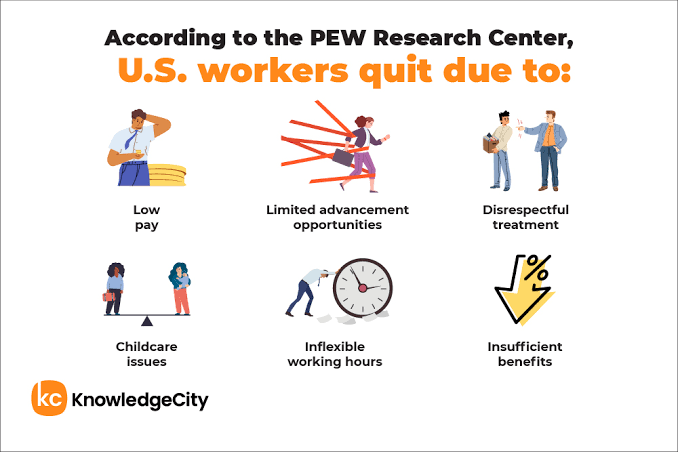
Company culture plays a major role in retention. Developers are more likely to stay in environments where they feel valued, heard, and supported. Poor communication, unclear expectations, or lack of recognition can drive employees away, even if compensation is competitive. Engagement initiatives, team-building activities, and transparent management practices are critical. Developers want to feel part of something bigger than just their daily tasks. When a company fosters a culture of respect, collaboration, and recognition, developers are more likely to stay and contribute to long-term success.
Burnout is another factor making retention difficult. Many developers face high workloads, tight deadlines, and constant pressure to deliver. Over time, this can lead to stress, dissatisfaction, and eventually resignation. Companies that fail to manage workloads, provide support, and encourage a healthy work-life balance risk losing their top talent. Retention requires not only motivating employees but also protecting them from burnout and creating a sustainable work environment.
Beyond salary, developers expect competitive benefits and perks. Health insurance, flexible hours, paid time off, and wellness programs are often minimum expectations. Companies that overlook these factors may find it hard to retain employees, especially when competitors offer more attractive packages. Benefits that show genuine care for employees’ well-being can make a significant difference in long-term retention.
Recognition and career progression are crucial. Developers want to know that their contributions matter and that there is room to grow within the company. Regular feedback, promotions based on performance, and opportunities to take on new challenges help developers feel invested in their roles. When companies fail to recognize achievements or provide growth paths, developers are more likely to look for opportunities elsewhere.
Retaining software developers today requires a combination of competitive compensation, meaningful work, positive culture, career growth, and well-being initiatives. Companies that understand these needs and actively invest in them are far more likely to keep their top talent. Without a strong focus on retention, even the best recruitment efforts can fall short, leaving companies constantly chasing skilled developers in an increasingly competitive market.
Sourcing top nearshore developers starts with identifying the right talent pool. Nearshore locations often provide a rich mix of skilled developers who are familiar with modern technologies and can work in overlapping time zones, making collaboration easier. Companies should focus on regions known for strong technical education and established tech communities. Leveraging local networks, developer forums, and specialized recruitment agencies can help identify candidates with the skills and experience that match your project needs. By carefully selecting talent from areas with proven technical capabilities, companies can reduce onboarding time and improve the chances of long-term retention.
Even in nearshore markets, top developers are in high demand, so competitive compensation is essential. Salaries should align with industry standards in the region, while benefits like health coverage, flexible hours, and remote work options can make a position more attractive. Many nearshore developers prioritize work-life balance and opportunities for growth over base salary alone. Companies that offer a combination of fair pay, perks, and flexibility create an environment where developers feel valued and motivated to stay, reducing turnover.
Retention is strongly influenced by company culture. Developers are more likely to stay when they feel included, respected, and part of a team. Nearshore teams benefit from managers who communicate clearly, provide consistent feedback, and foster collaboration across locations. Initiatives such as team-building exercises, knowledge-sharing sessions, and transparent decision-making help developers feel connected to the company’s goals. A positive work culture transforms a job into a career, giving developers reasons to stay beyond compensation alone.
Top developers want to grow professionally. Offering structured career paths, mentorship programs, and access to training keeps nearshore talent engaged. Providing opportunities to work on challenging projects, learn new technologies, or contribute to strategic initiatives shows developers that the company is invested in their development. This not only improves skills but also builds loyalty, as employees recognize that their growth is tied to the company’s success.
Regular engagement and recognition are critical for retention. Nearshore developers often work remotely or in different locations, which can lead to feelings of isolation. Frequent check-ins, celebrating achievements, and acknowledging contributions help maintain motivation and satisfaction. Recognition doesn’t always have to be formal; simple gestures like public appreciation in team meetings or personal messages from managers can have a meaningful impact on retention.
Nearshore teams have the unique advantage of overlapping time zones and cultural proximity. Companies can use this to their benefit by creating effective communication channels, establishing regular collaboration routines, and providing clear project goals. These factors make developers feel more connected to the company and reduce misunderstandings or frustrations that often lead to turnover. By optimizing workflows and communication, companies make it easier for nearshore developers to stay engaged and committed.
Sourcing and retaining top nearshore developers is about building long-term relationships. Treat developers as strategic partners rather than just resources. Understanding their motivations, career goals, and personal priorities allows companies to design retention strategies that are tailored and effective. This approach not only reduces turnover but also ensures that developers contribute consistently to the company’s growth over time.
Hiring top software developers can be time-consuming, stressful, and expensive. That’s where Blue Coding steps in. We help businesses bypass the challenges of recruitment by providing ready-to-deploy, highly skilled nearshore developers who are experienced, motivated, and aligned with your project goals. Instead of spending months posting jobs, screening resumes, and managing interviews, companies can focus on growth while we handle talent acquisition and onboarding. Our developers are vetted for technical expertise, cultural fit, and commitment to long-term collaboration. We also provide support for retention, career growth, and engagement, so you don’t just get developers, you get a team that sticks. Let Blue Coding take the hassle out of hiring. Contact us today and discover how outsourcing can give your business access to top talent without the headaches of recruitment.


Subscribe to our blog and get the latest articles, insights, and industry updates delivered straight to your inbox