Outsourced software struggles when code quality slips. See how clean code protects scalability, clarity, and future growth.


.svg)
.svg)
Outsourcing software development has become a strategic decision for companies that want to move faster, access global talent, and stay cost-efficient. In fact, nearly 80% of businesses worldwide now rely on outsourcing to streamline operations, and around two-thirds of US companies outsource at least one department. However, as outsourced teams grow and projects evolve, one factor quietly determines whether the software scales smoothly or turns into a maintenance nightmare: clean code. Clean code is not about making code look elegant for developers. It directly affects scalability, collaboration, cost control, and long-term business outcomes. In outsourced software projects especially, where multiple teams, time zones, and handovers are involved, clean code practices are not optional. They are critical.
➜ Speed without clean code often creates results that do not last. Shipping quickly may look like progress, but unclear logic and messy structure slow every update that follows. Clean code protects momentum over time, not just at the launch stage.
➜ Documentation can support development, but it cannot compensate for unreadable code. In outsourced projects, documents go out of sync quickly, while clean code continues to explain itself even as teams and requirements change.
➜ Quick fixes may solve immediate issues, but they usually introduce hidden complexity. Clean code encourages intentional solutions that reduce future rework and keep systems stable as they grow.
➜ Adding more features does not automatically improve software value. Without clean code, each new feature increases risk. Clear, structured code allows fewer features to deliver stronger, more reliable outcomes.
➜ Process-heavy approaches cannot replace clarity at the code level. Meetings, workflows, and reviews help coordination, but they cannot fix confusing logic. Clean code removes friction at its source instead of managing it later.
➜ Short-term efficiency should never outweigh long-term stability. Clean code ensures that software remains adaptable, understandable, and dependable long after early delivery goals are met.
Clean code is code that is easy to read, easy to understand, and easy to modify without unintended side effects. In outsourced environments, this clarity becomes even more important because developers who write the code are not always the ones who maintain it long-term. Clean code typically includes meaningful naming conventions, clear structure, consistent formatting, and logical separation of responsibilities. When maintainable code outsourcing teams follow these principles, the codebase becomes self-explanatory. This reduces dependency on specific individuals and makes future development predictable. Scalability depends on how easily new features can be added without breaking existing ones. Clean code supports this by keeping complexity under control as the project grows.
Many outsourced projects start well but struggle as they scale. The common reason is not poor talent, but accumulated technical debt caused by rushed or inconsistent code.When code is difficult to read or tightly coupled, adding new functionality becomes risky and time-consuming. Developers spend more time understanding old code than building new features. In outsourced settings, this problem multiplies because context is often lost during transitions between teams or developers. Clean code prevents scalability issues by ensuring that each new addition fits naturally into the existing system instead of increasing chaos.
One of the biggest risks in maintainable code outsourcing projects is knowledge concentration. If only one or two developers truly understand the system, scalability is already compromised. Clean code distributes knowledge across the codebase itself. When logic is written clearly and follows shared standards, any qualified developer can understand and contribute without extensive explanations or documentation sessions. This becomes essential when team members change, contracts end, or new developers join mid-project. Clean code ensures continuity without disrupting momentum.
Outsourced software projects often scale by expanding teams. New developers must be onboarded quickly to meet delivery timelines.Clean code significantly reduces onboarding time. Instead of relying heavily on walkthroughs or constant clarification, new team members can explore the codebase and understand workflows independently. This improves productivity early on and allows teams to scale without slowing down the development process.
Clean code also indirectly improves communication with non-technical stakeholders. When code is well-structured, it becomes easier to translate technical changes into business outcomes. For example, when features are modular and clearly separated, project managers can better estimate timelines, assess risks, and plan releases. This transparency builds trust between outsourced teams and internal stakeholders.
Technical debt is often underestimated during early development stages. In outsourced projects, it can become expensive very quickly. Poorly written code increases debugging time, slows down feature delivery, and requires frequent refactoring. Over time, maintenance costs can exceed initial development costs. Clean code minimizes technical debt by encouraging simplicity, consistency, and thoughtful design decisions. This results in fewer bugs, smoother updates, and lower long-term expenses.
As software scales, maintenance becomes a continuous process rather than a one-time task. Outsourced teams often handle post-launch support, bug fixes, and incremental improvements. Clean code allows teams to identify issues quickly and fix them without affecting unrelated parts of the system. This reduces downtime and improves system reliability. From a business perspective, this means fewer emergency fixes, lower support costs, and more predictable budgeting.
Outsourcing is often chosen for cost efficiency, but poor code quality can quickly erase those savings. Clean code ensures that every dollar invested continues to deliver value as the software evolves. Instead of rebuilding or replacing systems prematurely, companies can extend the lifespan of their software and adapt it to new requirements. This directly improves return on investment and makes scaling a strategic advantage rather than a technical risk.
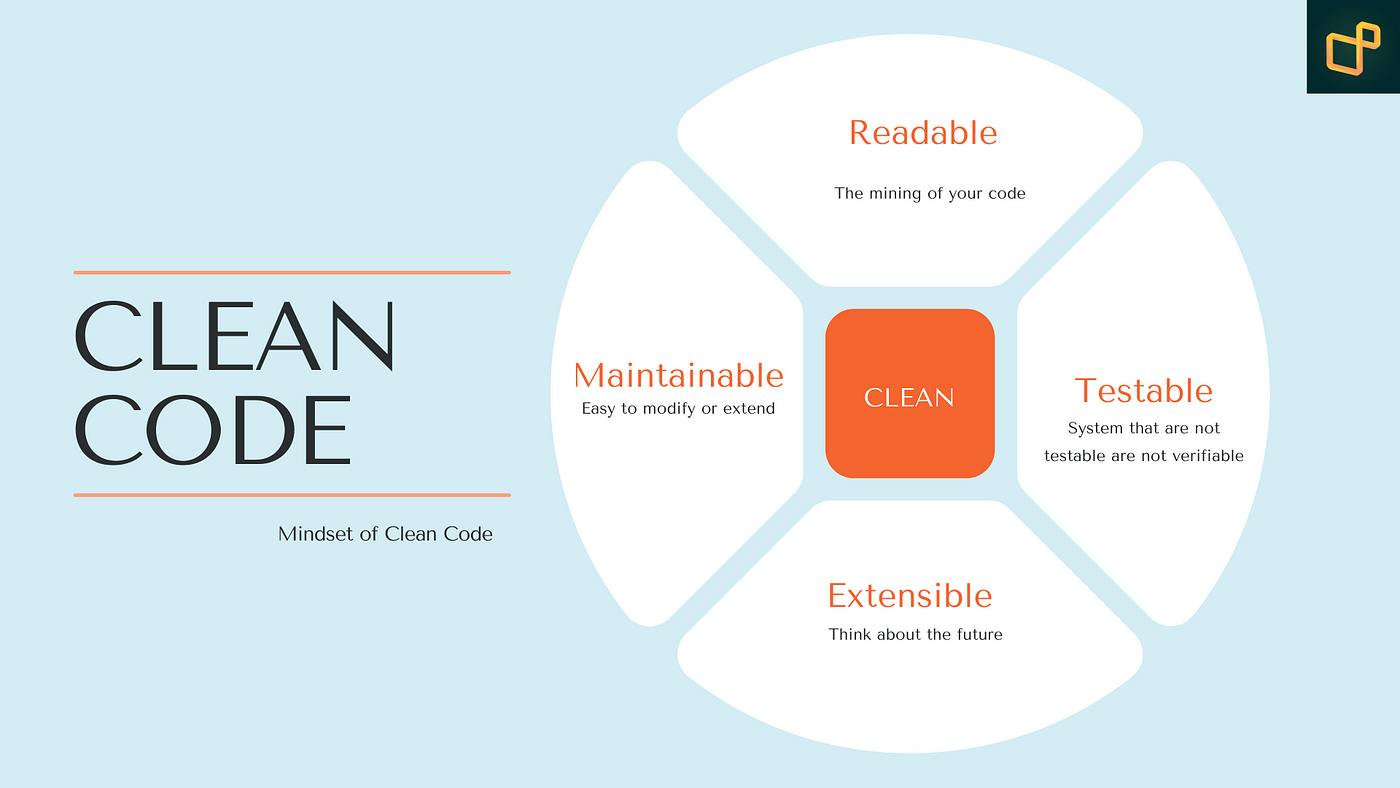
Scalable software relies on modular architecture, where components can be developed, tested, and deployed independently. Clean coding standards naturally support modularity. When functions and classes have clear responsibilities, it becomes easier to isolate features and scale them independently. This is particularly important in outsourced projects where different teams may handle different modules. Clean code ensures that these modules integrate smoothly without creating hidden dependencies.
Technology evolves quickly. Outsourced projects often need to integrate new frameworks, tools, or third-party services over time. Clean code makes these transitions safer. When code is well-organized and loosely coupled, replacing or upgrading components does not require rewriting the entire system. This flexibility allows businesses to adapt to market changes without disrupting ongoing operations or increasing development risk.
Scalability is not only about handling more users. It is also about supporting new features, markets, and business models. Clean code prepares the codebase for long-term growth by keeping it understandable and adaptable. Decisions made early in the project continue to support expansion instead of limiting it. For outsourced software projects, this future-readiness is essential because systems are often expected to evolve far beyond their original scope.
Blue Coding believes clean code is not a technical ideal, it is a responsibility. In outsourced software projects, code must survive growth, team changes, and shifting business goals. That only happens when quality is built into every line from the start. We focus on writing software that remains readable long after delivery, easy to extend without disruption, and stable enough to support real business growth. Clean code, for us, is how we protect our partners from hidden complexity, rising maintenance costs, and unnecessary rewrites. It is how we ensure outsourced development feels reliable, transparent, and scalable at every stage. If you’re looking to build or scale software without sacrificing long-term quality, contact us to explore how clean development practices can support your goals. We will answer all your queries on a free discovery call!


Subscribe to our blog and get the latest articles, insights, and industry updates delivered straight to your inbox