Engineering velocity explains why smaller, focused distributed teams often outperform larger ones. Learn how modern teams build momentum.
%2020.23.43.png)

.svg)
.svg)
In distributed engineering teams, growth is often measured by numbers. More developers. Bigger teams. Faster hiring cycles. On paper, it looks like progress. In reality, many companies discover that adding headcount does not always move the product forward any faster. In some cases, it slows everything down. This is where engineering velocity changes the conversation.
Software developer velocity means how quickly and consistently a team can turn ideas into working software that delivers real business value. High velocity teams ship features faster, fix issues sooner, and adapt to change without constant friction. Low velocity teams, on the other hand, may look large and busy but struggle to maintain momentum. In distributed teams, velocity becomes even more critical. Time zone differences, handoffs, communication gaps, and unclear ownership can quietly drain productivity. When velocity is strong, these challenges are managed through clear processes, smart collaboration, and a shared focus on outcomes rather than activity. When velocity is weak, no amount of additional hiring can compensate for the slowdown.
That is why modern engineering leaders are shifting their focus. Instead of asking, “How many developers do we have?”, they are asking, “How fast can our team deliver meaningful results?” In a distributed setup, engineering velocity is the true indicator of performance, scalability, and long-term success.
Engineering velocity is often misunderstood as pure development speed, but in reality, it is a much broader measure of how effectively a software team delivers value over time. It reflects how quickly ideas move from planning to production without sacrificing quality, security, or long-term maintainability. A high-velocity team is not rushing work or cutting corners. Instead, it is removing friction from workflows, making decisions faster, and maintaining a steady rhythm of delivery. In distributed teams, where coordination is more complex, velocity becomes a reliable indicator of whether the team is truly functioning as a unit or simply operating as disconnected individuals.
Adding more developers may seem like the most logical way to increase output, but in distributed teams, this approach often backfires. Every new hire introduces additional communication paths, onboarding time, and coordination effort. Meetings grow longer, documentation becomes heavier, and decision-making slows down. Instead of increasing productivity, large teams can unintentionally create bottlenecks. Engineering velocity highlights this issue clearly. When velocity stays flat or declines despite growing headcount, it signals that the team structure, not the talent, is the real problem.
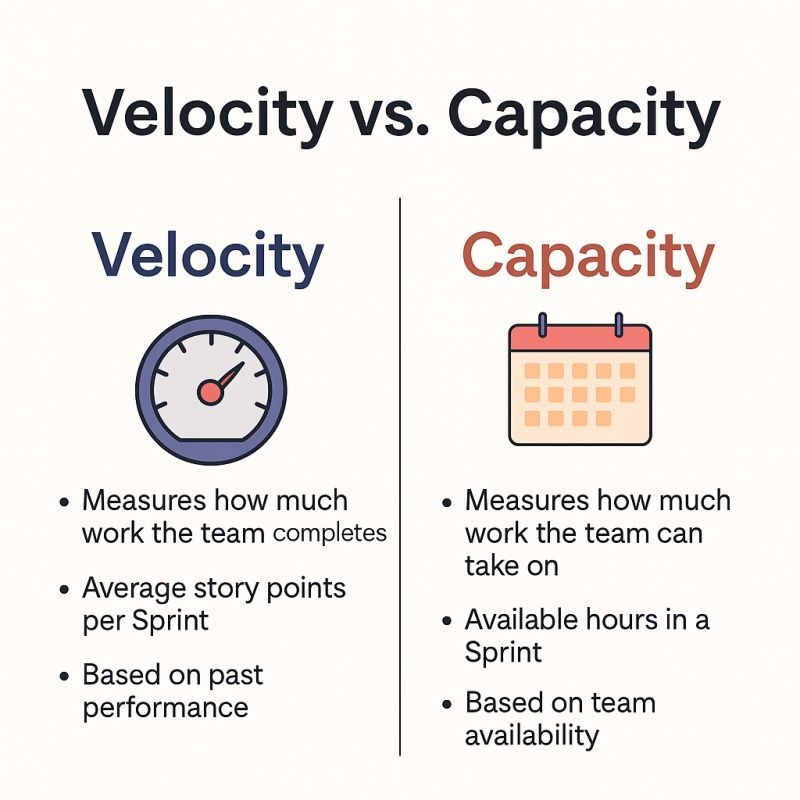
Focusing on velocity shifts attention from activity to outcomes. Distributed teams can appear busy across time zones, with code commits, messages, and meetings happening around the clock. However, activity does not always translate into progress. Engineering velocity measures what truly matters: features shipped, issues resolved, and value delivered to users. When velocity is the primary metric, teams prioritize meaningful work, reduce unnecessary tasks, and align daily efforts with business goals. This clarity is especially important in distributed settings, where visibility into progress can otherwise become fragmented.
One of the biggest challenges for distributed teams is limited overlap in working hours. When teams rely heavily on synchronous communication, progress stalls as people wait for responses or approvals. High engineering velocity depends on well-documented processes, clear ownership, and asynchronous collaboration. Teams that operate this way do not need constant check-ins to move forward. Decisions are recorded, expectations are clear, and developers can work independently while staying aligned. This autonomy keeps momentum strong, regardless of location or time zone.
Velocity is a signal of team health. Consistent velocity over time suggests stable workflows, manageable workloads, and sustainable development practices. Sudden drops in velocity often point to deeper issues such as burnout, unclear requirements, or technical debt. In distributed teams, these problems can go unnoticed longer because managers do not see daily struggles firsthand. Tracking velocity helps leaders identify when a team needs support, process adjustments, or technical improvements before problems escalate.
High-velocity teams release smaller, incremental updates more frequently. This approach shortens feedback loops and allows distributed teams to learn quickly from users, stakeholders, and internal testing. Instead of waiting months for a major release, teams can validate assumptions early and adjust direction with confidence. This is especially valuable for distributed teams, where long development cycles increase the risk of misalignment. Velocity ensures that learning happens continuously, not just at the end of a project.
Scaling distributed teams is not just about hiring more developers; it is about maintaining performance as the organization grows. Engineering velocity scales when teams are built around clear roles, modular architectures, and efficient collaboration practices. Rather than forming one large, slow-moving group, high-velocity organizations create smaller, autonomous teams that own specific outcomes. This structure allows companies to grow without losing speed or clarity. Headcount may increase, but velocity remains the guiding force behind sustainable scaling.
Engineering velocity is heavily influenced by the tools and processes a team uses. Automated testing, continuous integration, clear code standards, and reliable deployment pipelines remove manual effort and reduce errors. In distributed teams, these systems act as a shared foundation that keeps everyone aligned. When tooling is weak or inconsistent, velocity suffers regardless of how many developers are involved. Strong velocity is often the result of deliberate investment in processes that support smooth, repeatable delivery.
Distributed teams thrive when developers are trusted to manage their work. Engineering velocity supports this by providing clear indicators of progress without the need for constant oversight. Leaders can track delivery trends and outcomes rather than monitoring individual hours or activities. This builds a culture of accountability based on results, not presence. Developers feel empowered, and managers gain confidence that work is moving forward, even when teams are spread across regions.
In the long run, companies that prioritize engineering velocity build more resilient and adaptable teams. Distributed work is no longer a temporary solution; it is a long-term strategy for accessing global talent. Velocity ensures that this strategy delivers real value instead of operational complexity. By focusing on how efficiently teams deliver software, organizations can grow smarter, respond faster to market changes, and maintain quality at scale. In distributed teams, engineering velocity is not just a performance metric. It is the foundation for sustainable success.
Blue Coding's nearshore and distributed engineering models are built around velocity, not volume. We focus on assembling teams with the right structure, communication flow, and ownership from day one, so work moves forward without friction. By prioritizing alignment, accountability, and sustainable delivery practices, we help companies avoid the common slowdown that comes with scaling headcount alone. The result is distributed teams that ship faster, adapt quicker, and stay focused on outcomes that actually matter to the business. If you are looking to build a distributed engineering team that values momentum over numbers, contact us to explore how we can help you move faster without compromising quality. We also offer complimentary strategy calls!


Subscribe to our blog and get the latest articles, insights, and industry updates delivered straight to your inbox