Long-term software teams reduce risk, technical debt, and rework while driving continuous product improvement. Learn how with the help of this article!

.svg)
.svg)
The main difference between these software outsourcing models is that long-term software teams and project-based outsourcing comes down to commitment, continuity, and ownership. Long-term teams grow with your business. They stay involved beyond a single delivery, understand your product deeply, and improve their work over time as they learn from real users, changing goals, and technical challenges. Because they are consistent, they make better decisions, spot risks earlier, and build systems that are easier to scale and maintain.
Project-based outsourcing, on the other hand, is built around short timelines and fixed scopes. The focus is usually on delivering a defined set of features as quickly as possible, not on long-term performance or evolution. Once the project ends, the team moves on, taking valuable context and knowledge with them. This often leads to repeated onboarding, fragmented code quality, and higher long-term costs when new vendors must pick up where others left off. In simple terms, project-based outsourcing delivers outputs, while long-term teams build lasting value.
Today, project-based outsourcing is still the most common model, especially for companies looking for quick results, fixed budgets, or one-time builds. Many businesses choose this approach because it feels simpler at the start: clear timelines, defined deliverables, and an easy entry point into outsourcing. For short-term needs or experimental projects, this model continues to dominate the market.
However, long-term software teams are becoming increasingly popular, particularly among growing companies and digital-first businesses. As products become more complex and require constant updates, companies are realizing that software is never truly “finished.” This shift has pushed more organizations toward long-term team models that offer stability, product knowledge, and continuous improvement. While project-based outsourcing may still be more common today, the momentum is clearly moving toward long-term partnerships built for ongoing growth rather than one-off delivery.
Long-term dedicated development teams are designed to stay, not leave once a checklist is complete. This continuity is one of their biggest strengths. Over time, the team gains a deep understanding of your product, users, internal processes, and long-term goals. They remember why certain decisions were made, not just what was built. Project-based outsourcing usually resets this knowledge with every new engagement, forcing companies to repeatedly explain context, priorities, and past mistakes. Long-term teams remove this friction and allow work to move forward without constantly starting from zero.
When developers work on a product for an extended period, they stop thinking like external vendors and start thinking like product owners. They understand how features are used in real life, where users struggle, and what technical compromises already exist. This depth of understanding leads to smarter technical choices, fewer rushed decisions, and more thoughtful architecture. Project-based teams often work from specifications alone, which limits their ability to question assumptions or suggest better alternatives.
Long-term teams naturally develop a sense of ownership, even if the company opts for partial nearshore staff augmentation. They know they will be responsible for maintaining, improving, and scaling what they build, so quality matters more. Code readability, performance, and maintainability are no longer optional. They are necessary for future success. In project-based outsourcing, incentives are different. Once the project is delivered, responsibility ends. This can lead to short-term solutions that work today but create problems tomorrow. Ownership is the difference between building something that functions and building something that lasts.
At the start, project-based outsourcing can feel faster. There is a defined scope, a clear deadline, and a push to deliver quickly. But over time, long-term teams outperform in speed. Familiarity with the codebase, tools, and workflows reduces delays and misunderstandings. There is less back-and-forth, fewer explanations, and quicker problem-solving. As trust and collaboration grow, execution becomes smoother. What starts slightly slower often becomes significantly faster in the long run.
Software rarely stays static. Business priorities shift, markets change, and user feedback forces adjustments. Long-term teams are built for this reality. They can adapt without renegotiating contracts or redefining entire scopes because flexibility is part of the relationship. Project-based outsourcing struggles here. Changes often mean extra costs, delays, or compromises in quality. Long-term teams absorb change naturally because they are focused on outcomes, not rigid deliverables.
Project-based outsourcing often looks cheaper on paper. A fixed price and clear deliverables feel safe. But hidden costs add up quickly. Repeated onboarding, documentation gaps, rework, technical debt, and coordination overhead all increase long-term spend. Long-term teams reduce these costs by maintaining knowledge, reusing components, and continuously improving systems instead of patching them. Over time, the total cost of ownership is lower because you are investing in progress, not constant correction.
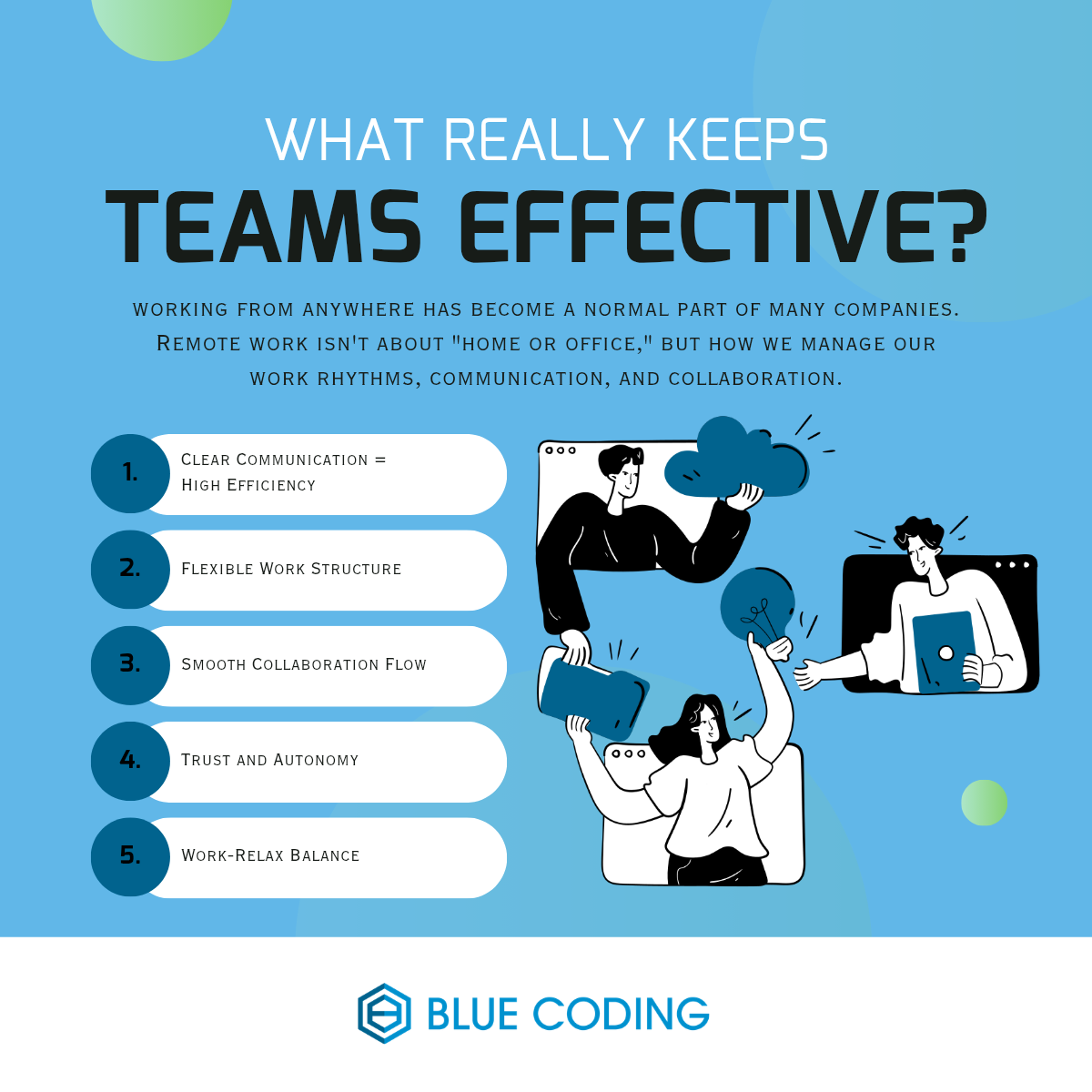
Long-term collaboration improves communication in ways that short projects cannot. Teams develop shared expectations, clearer workflows, and a common language. Meetings become more efficient, decisions happen faster, and misunderstandings decrease. Project-based outsourcing often relies heavily on documentation and formal approvals because trust and familiarity are limited. Long-term teams rely more on collaboration and context, which makes communication more natural and effective.
Software does not end at launch. It requires updates, monitoring, security patches, and performance improvements. Long-term dedicated development teams are already in place to handle this work because they built the system themselves. They know where risks are hidden and how changes might affect the product. With project-based outsourcing, post-launch support is often fragmented or delayed, leading to slower fixes and higher operational risk. Stability comes from continuity.
Long-term teams contribute beyond development tasks. They can flag technical risks early, suggest architectural improvements, and align technology decisions with business growth. By knowing the product roadmap, they become part of strategic discussions rather than just implementers. Project-based teams usually focus on execution only, following instructions rather than shaping direction. This limits their ability to add long-term value.
Ultimately, long-term software teams outperform project-based outsourcing because they are partnerships, not transactions. They grow alongside your business, adapt to its challenges, and share responsibility for success. While project-based outsourcing can work for short-term needs, long-term teams are better suited for companies building evolving digital products. They do not just deliver software. They help build sustainable, scalable systems that support long-term growth.
→ They build deep product knowledge over time: A dedicated development team stays closely connected to your product for the long run. Instead of learning your system for a few weeks and moving on, they understand how your platform works, why certain decisions were made, and how users actually interact with it. This depth of knowledge leads to fewer mistakes, smarter improvements, and more confidence in every release.
→ They operate with long-term ownership, not short-term goals: Dedicated teams do not think in terms of finishing tasks and exiting. They know they will be responsible for what they build tomorrow, next month, and next year. This naturally raises the bar for code quality, architecture, and performance. Ownership pushes teams to build solutions that last, not shortcuts that only meet today’s deadline.
→ They adapt faster as priorities change: Business needs rarely stay fixed. Dedicated teams are structured to handle ongoing change without disruption. Because they already understand your roadmap and technical setup, they can adjust quickly without renegotiating scope or restarting planning. This flexibility is hard to achieve with freelancers or project-based developers.
→ They communicate more clearly and consistently: Over time, dedicated teams develop strong communication habits with their internal stakeholders. Less explaining, fewer misunderstandings, and faster decisions become the norm. Instead of constant clarification and documentation overload, conversations become more natural and productive, saving both time and energy.
→ They reduce hidden costs in the long run: While other models may seem cheaper at first, dedicated teams lower long-term costs by reducing rework, onboarding time, and technical debt. Knowledge stays within the team, processes become efficient, and improvements compound over time. You spend less time fixing old issues and more time building new value.
→ They contribute beyond assigned tasks: Dedicated teams do more than execute tickets. They flag risks early, suggest improvements, and think ahead about scalability and performance. Because they are invested in the product’s success, they actively contribute ideas instead of waiting for instructions.
→ They grow with your business needs: As your product evolves, a dedicated team can scale up or adjust focus without disrupting momentum. This makes them ideal for growing companies that need stability today and flexibility tomorrow.
Long-term software teams are at the core of how we work. Instead of short-term delivery, the focus is on continuity, ownership, and real product understanding. By building dedicated nearshore teams that stay involved over time, products scale faster, decisions improve, and technical debt stays under control. If you want a long-term development partner, contact us to build a team designed for growth, and we can discuss strategies initially on a complimentary call!


Subscribe to our blog and get the latest articles, insights, and industry updates delivered straight to your inbox



